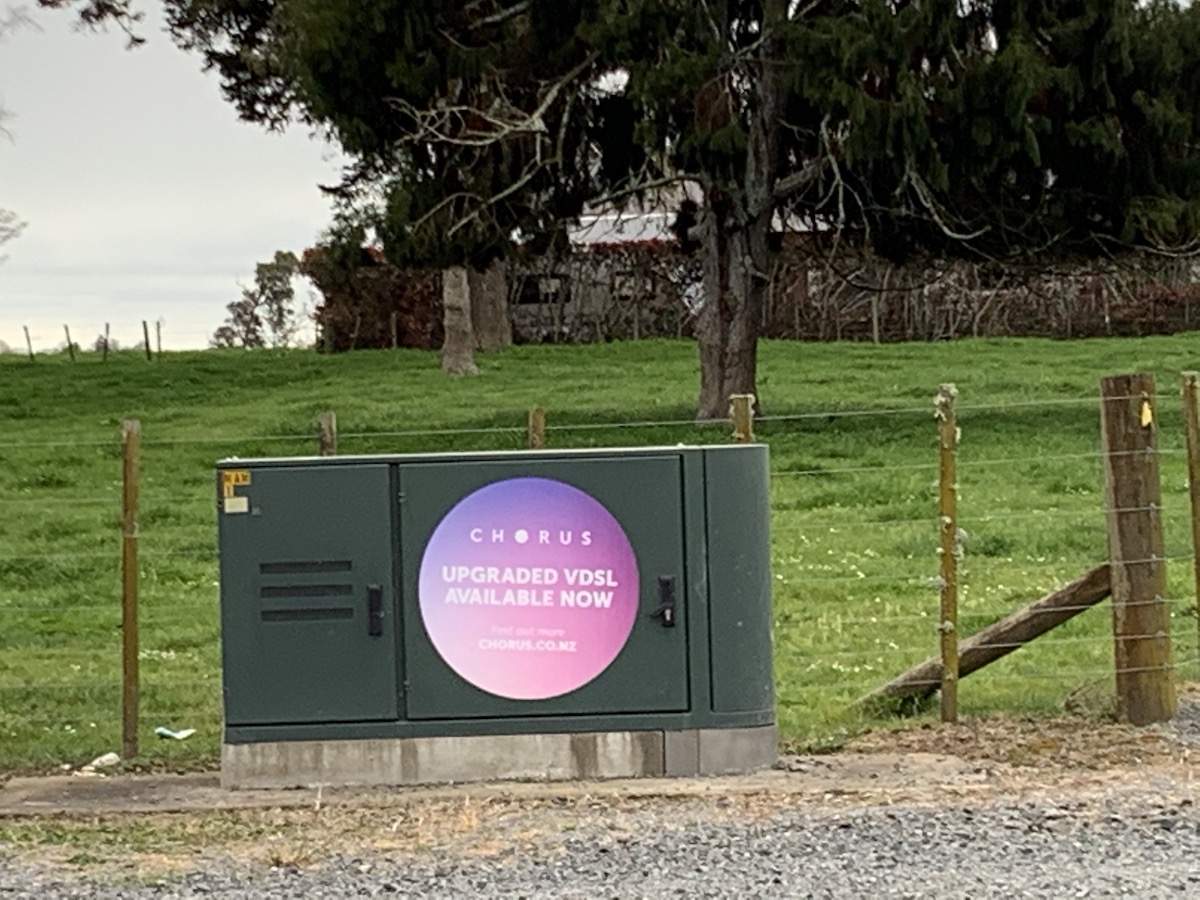
The Commerce Commission has formally recommended to the Minister that rural copper services should be deregulated. If this is accepted, Chorus will be able to begin winding down the copper network in rural areas, possibly sooner than the previously signalled 2030 date.
On the surface, this feels like a natural progression. Copper lines are old, expensive to maintain, and fewer households rely on them each year. But for around 70,000 New Zealanders still using copper, the story is not so simple.
A network built on public service
When the Post Office laid down copper lines, it was to connect every community in the country, not just those where it was profitable to do so. The copper landline became a constant presence – often the one piece of infrastructure that could be relied upon during storms or outages. For decades, people in remote places knew that even if the power went out, a corded landline could still make the call that mattered.
The Commission’s view
The Commission argues that rural consumers now have alternatives. Fixed wireless, mobile, and satellite options have expanded rapidly, and in many areas these do outperform copper. Submissions to the preceding inquiry showed that many households are already leaving copper behind. Deregulation, in the Commission’s view, simply reflects that competition now exists and regulation is no longer necessary to protect consumers.
The risks that remain
But submissions also revealed a different side. Some households are in pockets with no reliable mobile coverage, no fibre build, and where satellite is unaffordable or impractical. For these people, copper is still the only way to connect. The Commission acknowledged these concerns, noting that a managed withdrawal process and targeted support will be essential.
This matters because the reality is not just about performance or cost. It is about resilience. If a storm takes down power and cell towers, what happens to the household that no longer has a working landline? What is their path to calling emergency services? These questions were raised by community groups and individuals who worry they could be left isolated if copper disappears without a replacement that works for them.
Where to from here
Chorus has said it will manage the transition carefully. The Commission has recommended protections similar to those applied to the withdrawal of copper in urban areas, and raised the prospect of government support for vulnerable consumers through existing obligations and levies. What that support looks like in practice is not yet defined.
For providers like us at WombatNET, there is no commercial advantage in defending copper. In fact, many new customers in our intake join after simply giving up on it. But we know from listening to those customers that the withdrawal of copper is not just a technical or financial exercise. It is also about safety, equity, and dignity.
As the Minister considers this recommendation, the country needs to start a conversation about how we help the remaining copper users make the transition. This will mean recognising that not all alternatives are equal, that some people need additional support, and that connectivity is more than a consumer choice – it is essential infrastructure.
The copper era is ending, but the promise that every New Zealander should have a way to connect must remain. The challenge now is to carry that promise forward.
— Your team at WombatNET